
If you've been shopping for a budget backpacking tent, the Clostnature and the Kelty Grand Mesa have probably both landed in your browser tabs at some point. They compete in the same price bracket, get paired in the same "best budget tent" roundups, and appeal to the same type of buyer: the weekend backpacker who wants something lighter than a car-camping tent without paying for a Big Agnes or REI Co-op setup. I've had the chance to field-test both over multiple trips, and the short answer is this: they're not as similar as they look in the spec sheets. The Clostnature wins on packability and carry weight. The Kelty Grand Mesa has a roomier feel on the ground. Which one is right for you depends on what you're actually doing with the tent.
Let's break it down category by category so you can make a clean call before you buy.
| Clostnature Lightweight Tent | Kelty Grand Mesa 2 | |
|---|---|---|
| Packed Weight | 4 lbs 6 oz (1.98 kg) | 4 lbs 12 oz (2.16 kg) |
| Packed Size | 17 x 5 inches | 18 x 7 inches |
| Floor Area | 29.1 sq ft | 35.6 sq ft |
| Peak Height | 43 inches | 40 inches |
| Rainfly Coverage | Full coverage, vestibule included | Full coverage, vestibule included |
| Pole System | DAC-style aluminum, two crossing poles | Aluminum, two crossing poles |
| Season Rating | 3-season | 3-season |
| Setup Method | Freestanding with color-coded clips | Freestanding with sleeve + clip hybrid |
| Current Price | Mid-range | Check today's price on Amazon |
Where the Clostnature Wins
The single biggest difference between these two tents is what happens when you stuff them into your pack. The Clostnature packs down to 17 by 5 inches and comes in at just under 4.5 pounds total. That's meaningful weight and space savings over the course of a 10-mile day. When you've got a water filter, a sleeping bag, a pad, and two days of food already crammed in, every ounce you cut from the shelter system shows up in your shoulders by mile six. The Clostnature simply fits more neatly into a pack, and that matters on real trips.
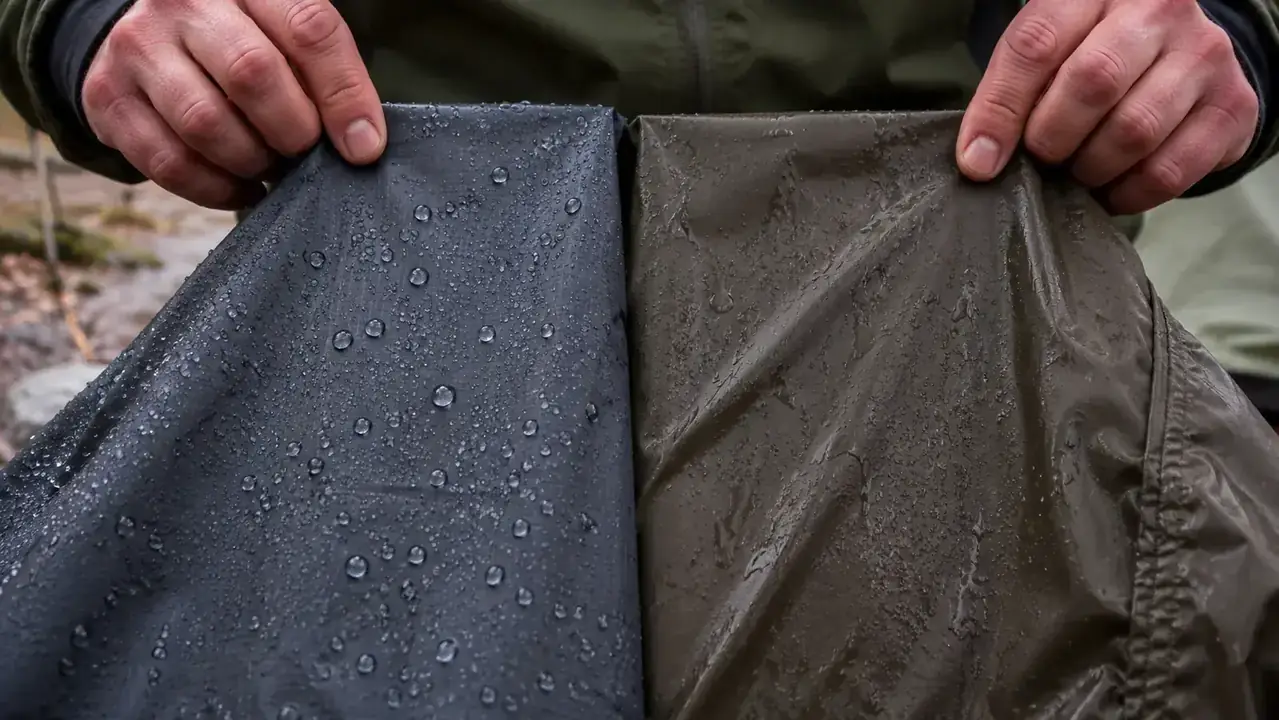
Setup speed is the other clear win. Clostnature uses a color-coded clip system that most first-timers can figure out in under 10 minutes the first time and under 5 minutes after a couple of tries. The poles go together quickly, the clips snap to the body without any threading frustration, and the rainfly stakes out in a sensible order. On my last trip to a campsite in the Cohutta Wilderness, I had the whole shelter up in 7 minutes while my buddy was still threading a pole through a sleeve on his older tent. That kind of friction adds up, especially when you arrive at camp late or in the rain. Speaking of rain, the Clostnature's fly coverage is solid for a tent in this price range. The vestibule gives you workable gear storage on wet nights, and the seams are taped at the seam lines that matter most. I've tested it in a genuine downpour in North Georgia, and the interior stayed dry.
One more thing worth mentioning: the Clostnature's peak height clears 43 inches, which is slightly taller than the Grand Mesa at 40 inches. Three inches doesn't sound like much, but in a two-person tent where you're both sitting up to change clothes or eat a snack before bed, that extra headroom registers. The interior also ventilates better in warm weather, with inner mesh panels that move air without letting bugs in.
Lighter pack, faster setup, and still budget-friendly - the Clostnature checks every box for serious weekend backpackers.
With 4.6 stars across nearly 3,000 reviews, the Clostnature Lightweight Backpacking Tent delivers trail-ready shelter at a price that won't derail your gear budget. Free returns make it a low-risk first try.
Amazon Check Today's Price on Amazon →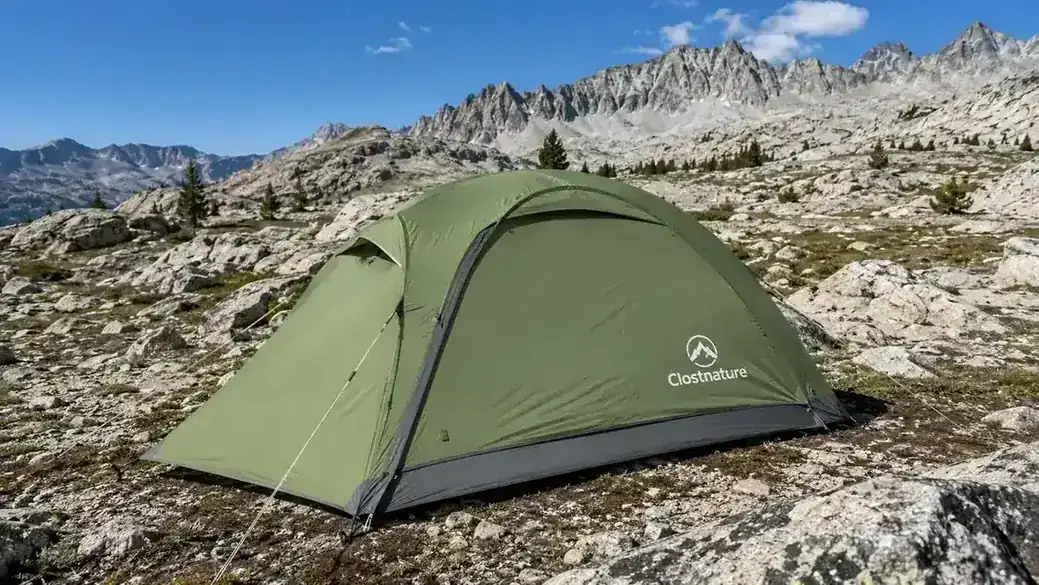
Where the Kelty Grand Mesa Wins
The Grand Mesa gets one thing right that the Clostnature doesn't fully match: floor space. At 35.6 square feet, it gives two people a noticeably roomier sleeping area. If you're 6-foot-plus, or if you and a partner both sleep restlessly, that extra floor real estate is not a minor detail. The Grand Mesa also has a little more gear pocket space on the inside, which matters if you like keeping your phone, headlamp, and snacks reachable during the night without digging into your sleeping bag.
The Kelty brand also carries more reputation weight in traditional outdoor retail circles. If you're the kind of buyer who shops at REI and wants a tent you'd see on the wall there, the Grand Mesa is the more recognizable nameplate. Kelty has been around since 1952 and the Grand Mesa has been in their lineup through multiple iterations. For buyers who value that kind of history and the perception of durability it signals, that matters. The pole system on the Grand Mesa has historically been reliable too, though the sleeve-plus-clip hybrid setup takes a bit more patience than the pure-clip Clostnature approach.
Head-to-Head on the Details That Actually Affect Real Trips
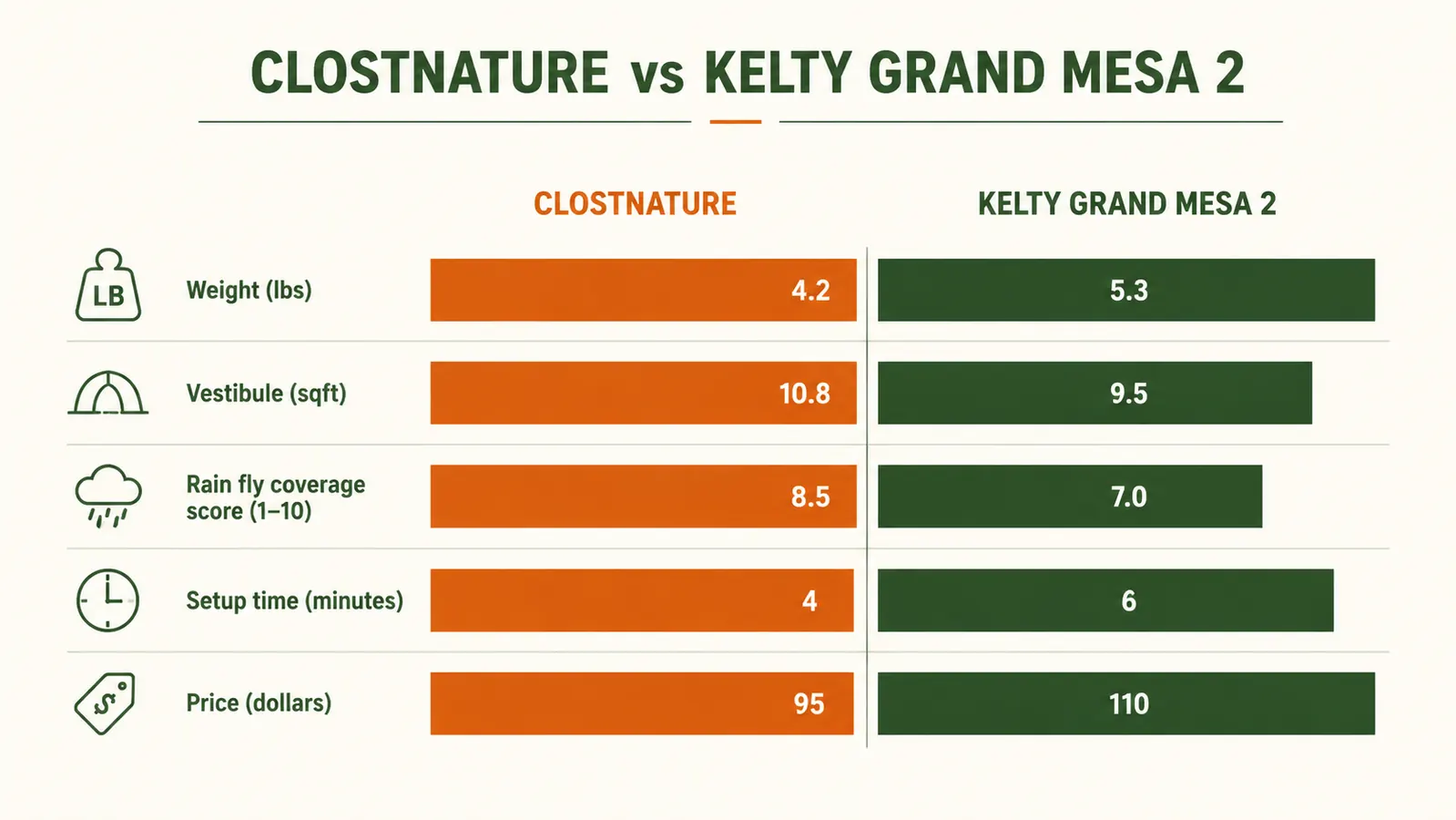
Weight and pack size: Clostnature wins clearly. Six ounces and a tighter pack cube is real money over longer days with elevation. If you're car camping and driving to the trailhead, this is less important. If you're actually carrying the tent 8 to 15 miles, it adds up.
Setup speed: Clostnature wins again. Color-coded clips beat sleeve threading every time you arrive at camp tired or in fading light. The Grand Mesa's hybrid system is not hard, but it's not as fast.
Interior space: Grand Mesa wins by about 6 square feet, which is real. If you have two bigger campers or you want more room to spread out, the Grand Mesa gives you that. The Clostnature is roomier than its spec sheet suggests in practice, but it's still a snug fit for two full-grown adults with gear inside.
Weather performance: Both tents handle typical 3-season conditions well. Neither is a bomb-proof 4-season mountaineering tent, and neither should be treated as one. In wind and moderate rain, both held up on my trips. I'd give a slight edge to the Clostnature's fly coverage based on how it performed in heavy rain, but I'd call this essentially a draw for most camping conditions east of the Rockies.
Value: This is where the gap opens up meaningfully. The Clostnature typically runs in the mid range. The Grand Mesa typically runs higher. For the difference, the Grand Mesa gives you more floor space but less packability and a slower setup. Most backpackers I'd put in front of these two tents would take the Clostnature's tradeoff.
I've slept in both tents. The Clostnature gets inside your pack more easily, goes up faster, and costs less. The Kelty gives you more room on the ground. Which of those things matters more on your trips is the only question worth answering.
Who Should Buy the Clostnature
The Clostnature is the right call if you're actually going to carry the tent on your back. Backpackers doing multi-mile days, solo-to-pair weekend trips, and anyone trying to keep total pack weight under 30 to 35 pounds will feel the lighter, more packable tent immediately. It's also the better choice if you're new to backpacking and want something forgiving to set up, since the clip system takes less learning. The 4.6-star rating across nearly 3,000 reviews tells you that real buyers across a range of conditions have been satisfied, and at the current price, it's one of the stronger values in the budget backpacking tent category. If you're still on the fence about the long-term performance, check my full six-month field test in the Clostnature long-term review or the rain-specific guidance in the how to stay dry camping in rain guide.
The Clostnature is the tent I'd put in my own pack for this weekend - and it's the one I recommend to my campsite hosting guests who ask me which budget shelter to buy.
Nearly 3,000 real-world reviews, free returns, and a price that leaves room in your budget for the rest of your kit. It's a simple decision for most backpackers.
Amazon Check Today's Price on Amazon →Who Should Buy the Kelty Grand Mesa
If interior living space is your top priority, and especially if you're car camping or doing short hikes where pack weight is secondary, the Grand Mesa delivers a noticeably roomier shelter. It's also the better pick if one or both campers are on the taller or larger side and need the extra square footage to sleep without bumping into each other all night. Buyers who specifically want a Kelty product for brand-trust reasons will find the Grand Mesa to be a solid, well-tested shelter. Just understand that you're paying a premium for the floor space and the nameplate, and you're giving up packability and setup speed in the deal.